Seeds, Sheep, and Slow Progress: A Snapshot of Our Farm
Winter is for planning, even when your hands are still covered in flour and feed dust. The thing about farms is that plans change quickly to meet the needs of the seasons. With that in mind, it’s easy to remember that this is not a perfect plan, but one that is flexible enough to move with us. This is a snapshot of where Forestside Farm & Garden is now, and where we hope to be.
Winter Trays and Spring Dreams
Winter feels quiet, but in the seed trays on my counter, the garden is already alive. This year, we’re starting with Brussels sprouts and dreaming of everything that will grow. This year, we’re starting seeds now with Brussels sprouts, and by late February, we’ll launch our full seed-starting operation, packed with a wide variety of plants. I’m focusing on our staple crops while experimenting with new varieties to see if any might earn a permanent spot in the garden.
I’ve refined the seed-starting process for staples like slicing tomatoes and jalapeños, and now that the garden finally feels manageable after years of growth, I’m excited to branch out. Some of the new varieties I’m most looking forward to include:
Rainforest Chili Peppers
Luffa Squash
“Atomic Orange” and “Strawberry” Corn
This isn’t a full list, but rather just a peek at a few plants we’re testing. I have high hopes for each, but I also know that not every plant is for every gardener, myself included! I’d rather grow two plants of something I love this year and expand next time than plant 30 of something tricky or disappointing. The focus is on reliability over novelty.
For the first time, I’ll also be offering my extra starts for sale. This will include a mix of our dependable staples and some of the new varieties I am experimenting with. Later, any excess harvest will allow me to test bi-weekly subscription boxes, exploring community-supported agriculture in our area. It’s an exciting journey, and I can’t wait to see what the seasons ahead will bring.
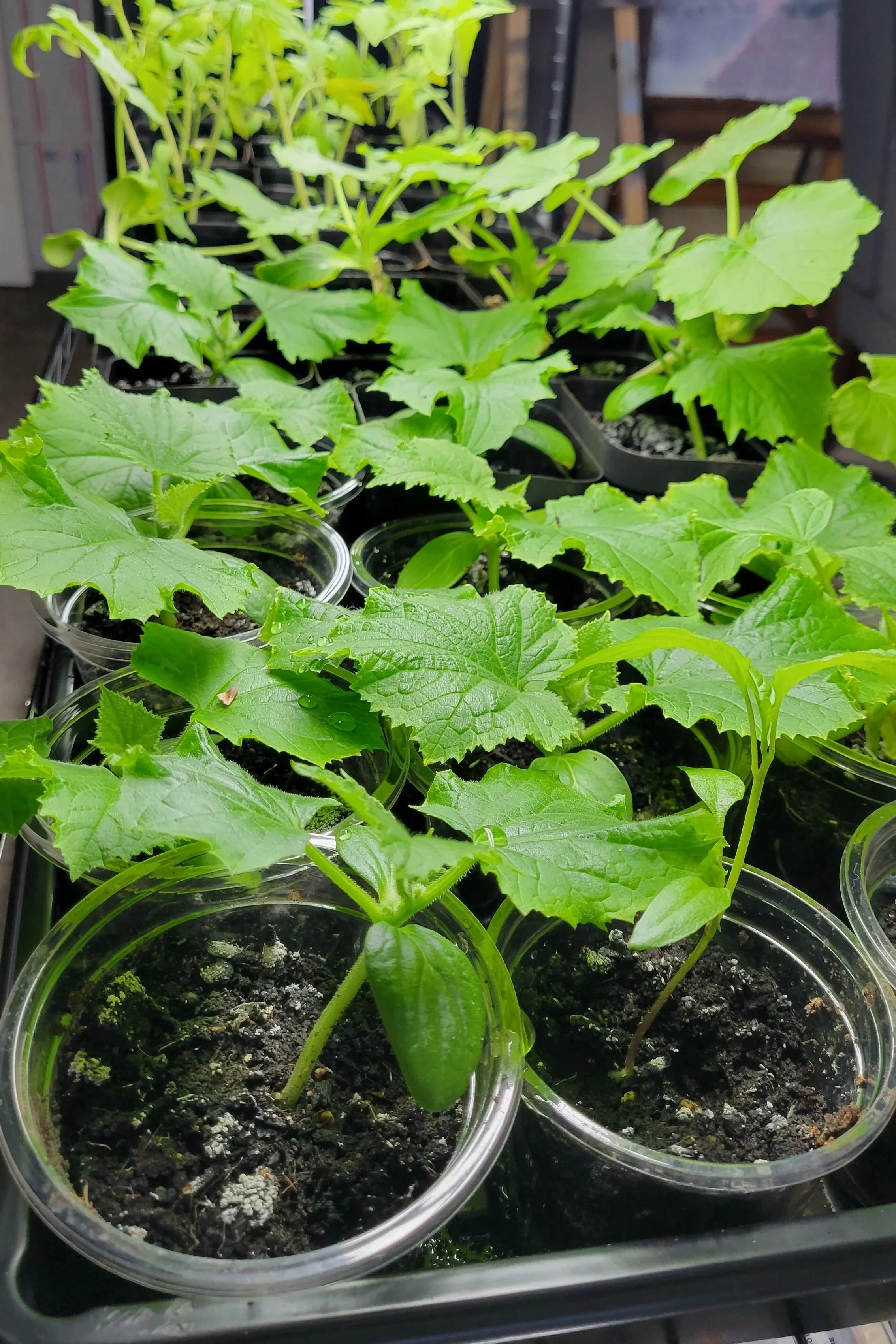
Last year’s seed starting
I grew so many plant in my craft work room last year. This year, I am really excited to try new methods and varieties, and record the process along as I go.
Sheep, Pigs, and the Long Game of Farm Life
The first animals on our farm were chickens, but my dreams started long before they arrived. I’ve always imagined raising children surrounded by animals and the rhythms of farm life, and that vision has guided every decision we’ve made.
In the summer of 2019, I told my husband I wanted to raise children on a farm. We moved to Forestside Farm & Garden in the spring of 2021, and that summer, our first poultry flocks arrived—along with our first garden. But the birds were never the end goal. Dreams have shifted slightly over the years, yet the aim has always remained the same: as much self-reliance as possible in our modern world.
Dairy was a major motivator for me. The commercial dairy industry has many harsh realities, and I’ve long felt driven to source our own food. Looking back, this may have been the turning point for my desire to raise our own animals—but I never seriously imagined having dairy cows.
Now, we’re looking to local farms to help us build a flock of heritage Icelandic sheep. These multipurpose animals are ideal for our forested paddocks, providing milk, meat, and wool while enhancing the farm’s diversity—and its resilience. This is a long game. Productivity matters, but temperament matters even more; milking a flighty sheep is no small feat. I still have infrastructure to finish and farms to tour before finalizing our flock, but I’m thrilled to actively work toward this next step.
Alongside the ewe lambs, I hope to bring in two Kunekune piglets to supply our own pork. We may eventually transition to a larger heritage breed, like Berkshires, but for now, small and slow is the right path as we learn these new animals. Every step is intentional—we want to work with care, not speed.
Later this year, we hope to expand the animal program further. If we’re awarded the Tilth Alliance grant, we plan to bring in Icelandic sheep and pigs. If not, we’ll focus on building infrastructure as funds allow and developing our beehives, postponing the sheep and pig additions until next year. Either way, every decision is deliberate—we’re building for longevity, not just short-term gain.
Farm-to-Table Thinking
This winter, I’ve spent a lot of time thinking about what I can realistically bring to our farmers market booth while also feeding our family. I’ve been perfecting a braided egg bread recipe, turning it into a dreamy sandwich bread. The next step is to adapt it into bagels.
I considered chasing trends, like sourdough, but honestly, I don’t enjoy eating it, and I don’t want a bread that must be treated like royalty to perform. Instead of following popularity, I’m evolving recipes I enjoy making and eating, finding ways they can benefit the farm. The good news is that leftover market bread simply feeds our family, and that’s perfectly fine with me.
Mindful Making: Products That Matter
This winter, I’ve also been upgrading the recipes and equipment for our candles and soaps. This is an important part of our farm, not just a side hobby. A few years ago, when I read the ingredient list on an automatic air freshener, and was shock to find the top three ingredients were propane, acetone, and butane. Not long after, I learned that most “soaps” weren’t even classified as soap. Since then, making clean-burning candles and real soap has been a deep passion.
These simple, functional products matter to me because of their impact on our health, the planet, and our ability to live mindfully. I also keep unscented options so people with sensitivities or beliefs around fragrances can enjoy small-batch, intentionally produced products.
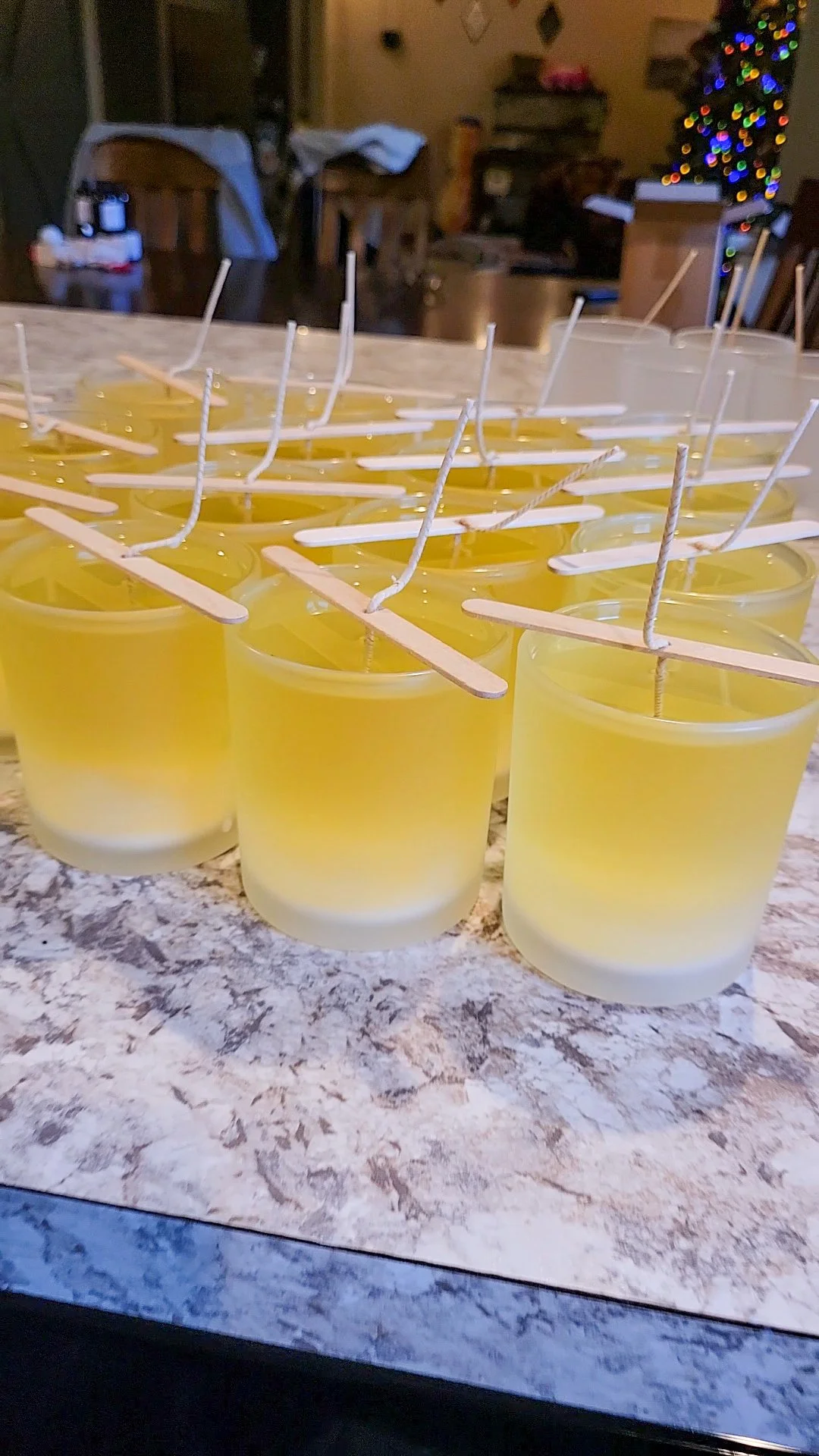
Hearth & Hollow Collection
The Hearth & Hollow Collection of 100% soy wax candles will be dropping in March, after everything has had a chance to cure. These candles also feature carcinogen free fragrance oils, and we are really excited to offer them soon!
Choosing What Matters Most
The message behind all of this is intentionality. I am not doing everything, and there’s a reason for that. I carefully select which animals come to the farm, how fast to grow the business, and which priorities align with our long-term goals. Family is always at the top of the list.
This restraint means not scaling beyond our means, not expanding too quickly, and not adding animals before the infrastructure is ready. Even when desire and passion burn brightly, it’s okay to hold back if it ensures that things are done with intention and care. Slow progress benefits the farm and every living member of it.
Building the Season, One Step at a Time
Things change on a farm, and even the best-laid plans are often rewritten. But as I begin the 2026 season, I feel gratitude for what I already have and curiosity for what lies ahead. I’m excited to see where things go, and I hope you’ll follow along. Subscribe to our newsletter to never miss a moment on this journey.
This year isn’t about doing more. It’s about deciding what fits best, and then doing it well.